Rented homes: five years at most
Under the Electrical Safety Standards in the Private Rented Sector (England) Regulations 2020, landlords must have the electrical installation inspected and tested by a qualified and competent person at least every five years. The rules cover most private tenancies in England, including houses in multiple occupation.
Five years is the maximum, not a fixed term. If the electrician records an earlier date for the next inspection, that earlier date is the one you must follow.
Owner-occupied homes: ten years as a guide
There's no legal requirement for an owner-occupier to have an EICR. Industry guidance recommends one at least every ten years, and whenever a property changes hands. If you've just bought a home and weren't given any electrical certificates, an EICR is a sensible first step before you plan any work.
The date on the report is the one that counts
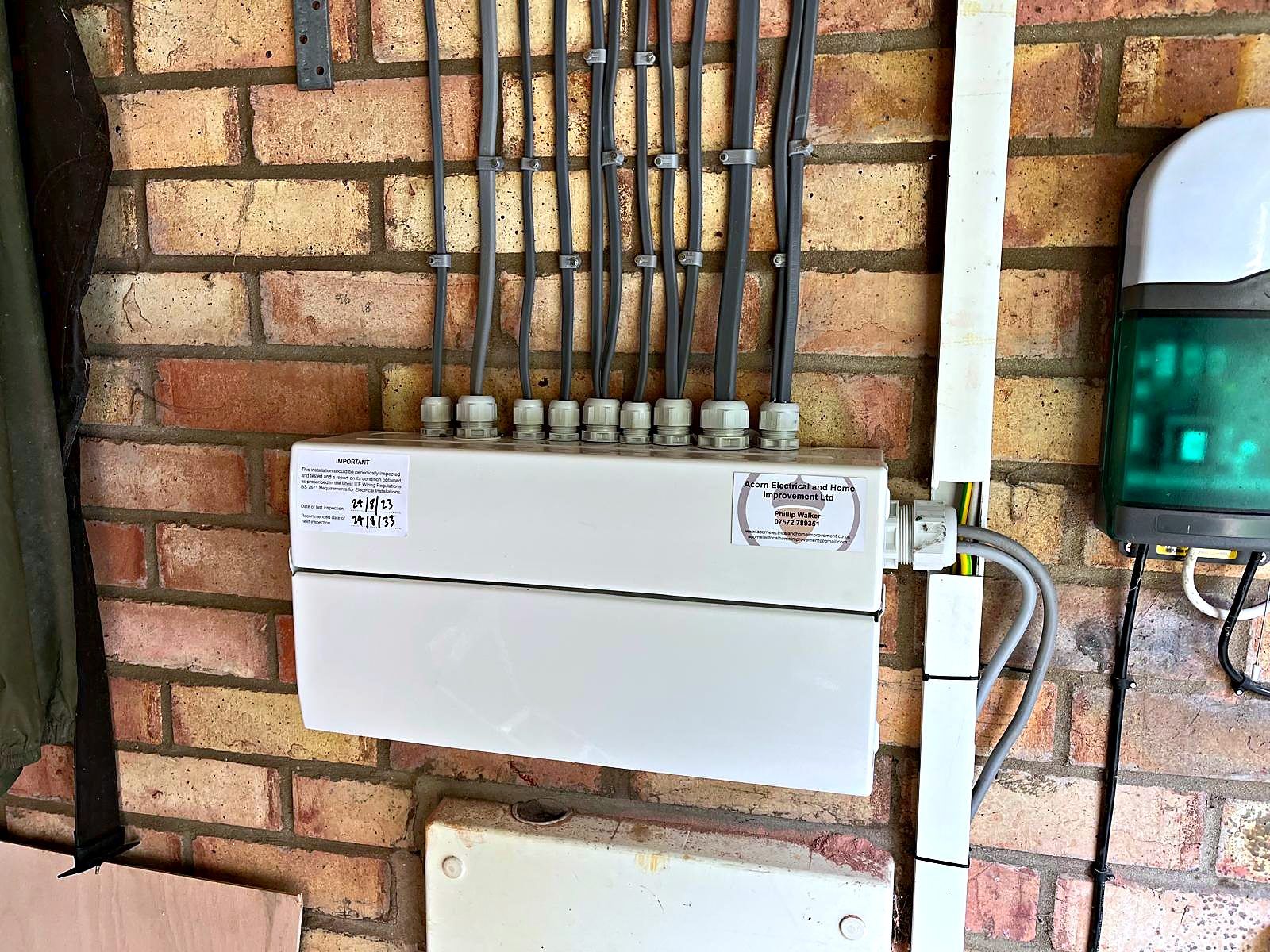
Every EICR includes a recommended date for the next inspection. The electrician sets it based on the age, condition and use of the installation. A well-kept modern installation in a family home may be given ten years. An older installation, or one showing signs of wear, may be given a much shorter interval.
Things that commonly lead to a shorter interval include:
- Wiring that is near the end of its useful life.
- Heavy use, such as a shared house with lots of occupants.
- Signs of damage, overheating or DIY alterations.
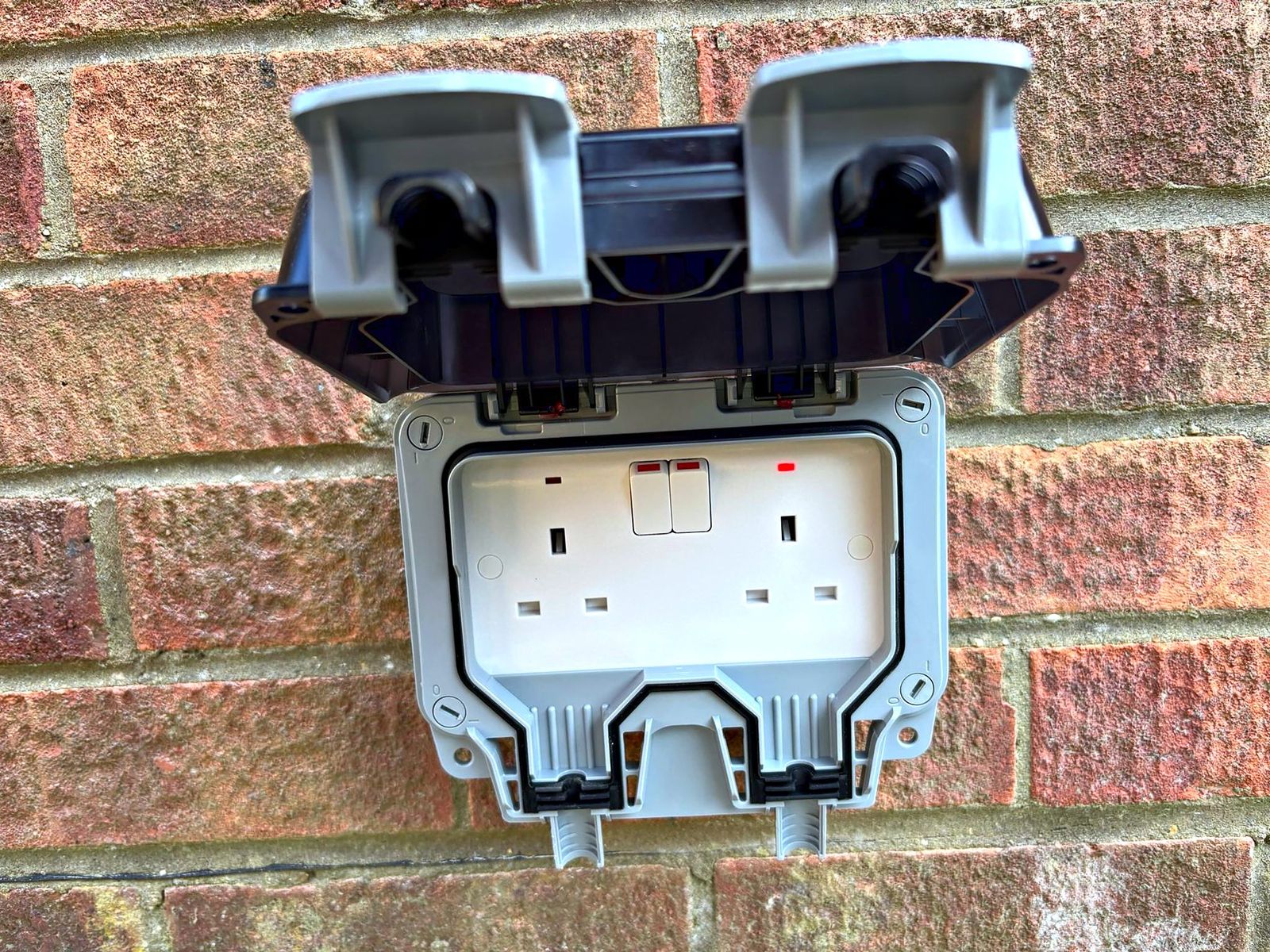
- Outbuildings, garden circuits or other parts of the installation exposed to the weather.

Deadlines landlords need to know
- Give a copy of the report to existing tenants within 28 days of the inspection.
- Give a copy to new tenants before they move in.
- Give a copy to prospective tenants within 28 days if they ask for one.
- Give a copy to the local council within 7 days if it asks for one.
- Complete any remedial work or further investigation within 28 days, or sooner if the report says so.
- Confirm in writing to tenants and the council within 28 days of that work being finished.
- Keep a copy to hand to the electrician who carries out the next inspection.
Councils can impose financial penalties of up to £30,000 for breaches, so it's worth keeping the paperwork as organised as the electrics.
Do I need a new EICR when tenants change?
Not legally. In England, a valid report carries on across tenancies until its next inspection date, as long as each new tenant receives a copy before moving in. Many landlords still choose a check between tenancies, particularly in older property or after a long tenancy, because remedial work is far easier in an empty house.
Does remedial work reset the date?
No. When remedial work follows an unsatisfactory report, you'll receive an Electrical Installation Certificate or Minor Works certificate for the repairs. Together with the report, these show the installation is now safe, but the five-year clock still runs from the date of the inspection. A full rewire is different: it comes with its own Electrical Installation Certificate, which records when the next inspection is due.
Keeping on top of renewals
The simplest system is a note of each property's next inspection date, with a reminder a couple of months ahead. That leaves time to book the visit, sort any remedial work and get the paperwork to tenants inside the deadlines. If you're new to all this, start with what an EICR is and how to read one.
Acorn carries out landlord EICRs across Norwich and Norfolk and can quote for any remedial work at the same time. Ask for a free quote and tell us when your current report runs out.