What an EICR actually is
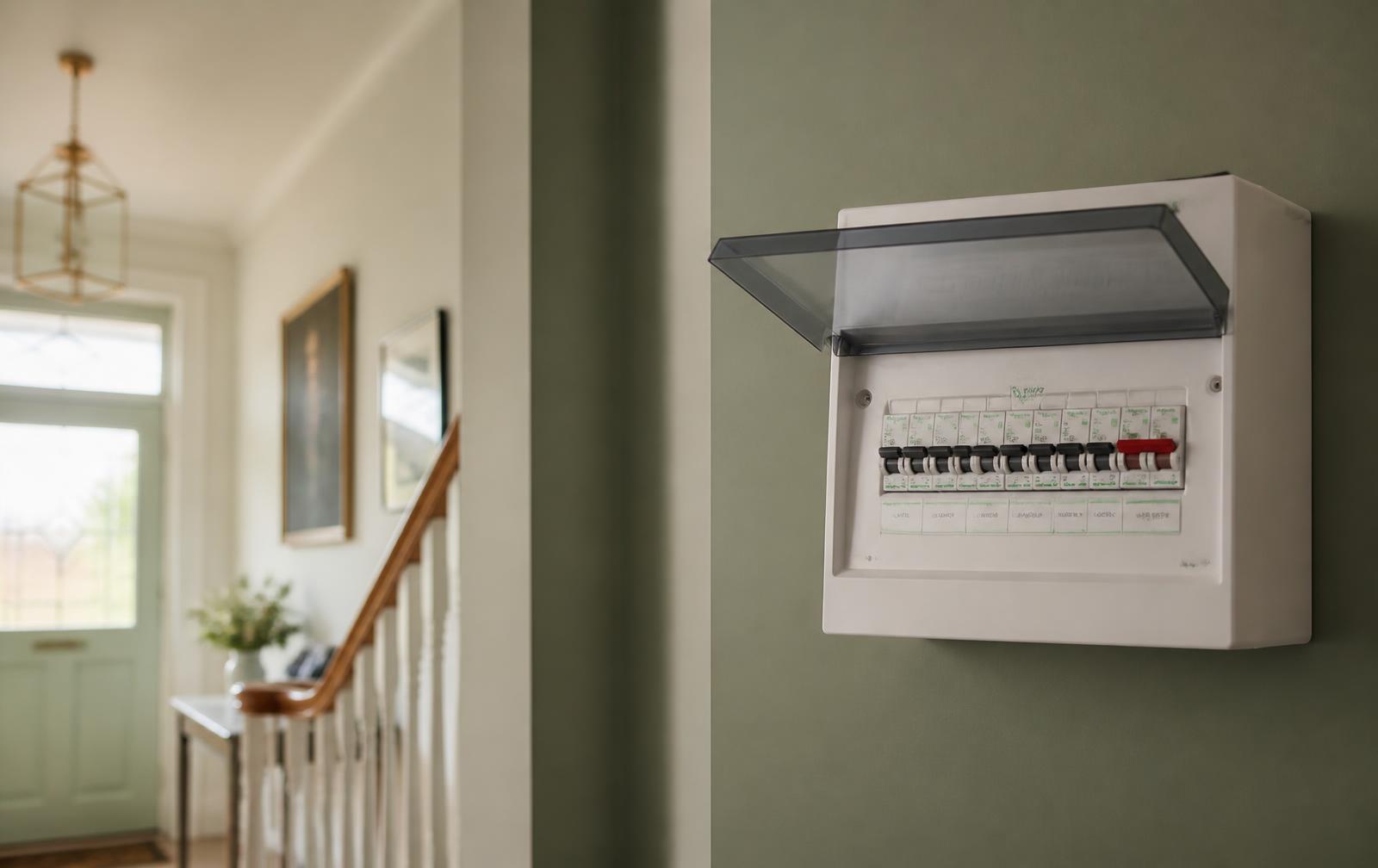
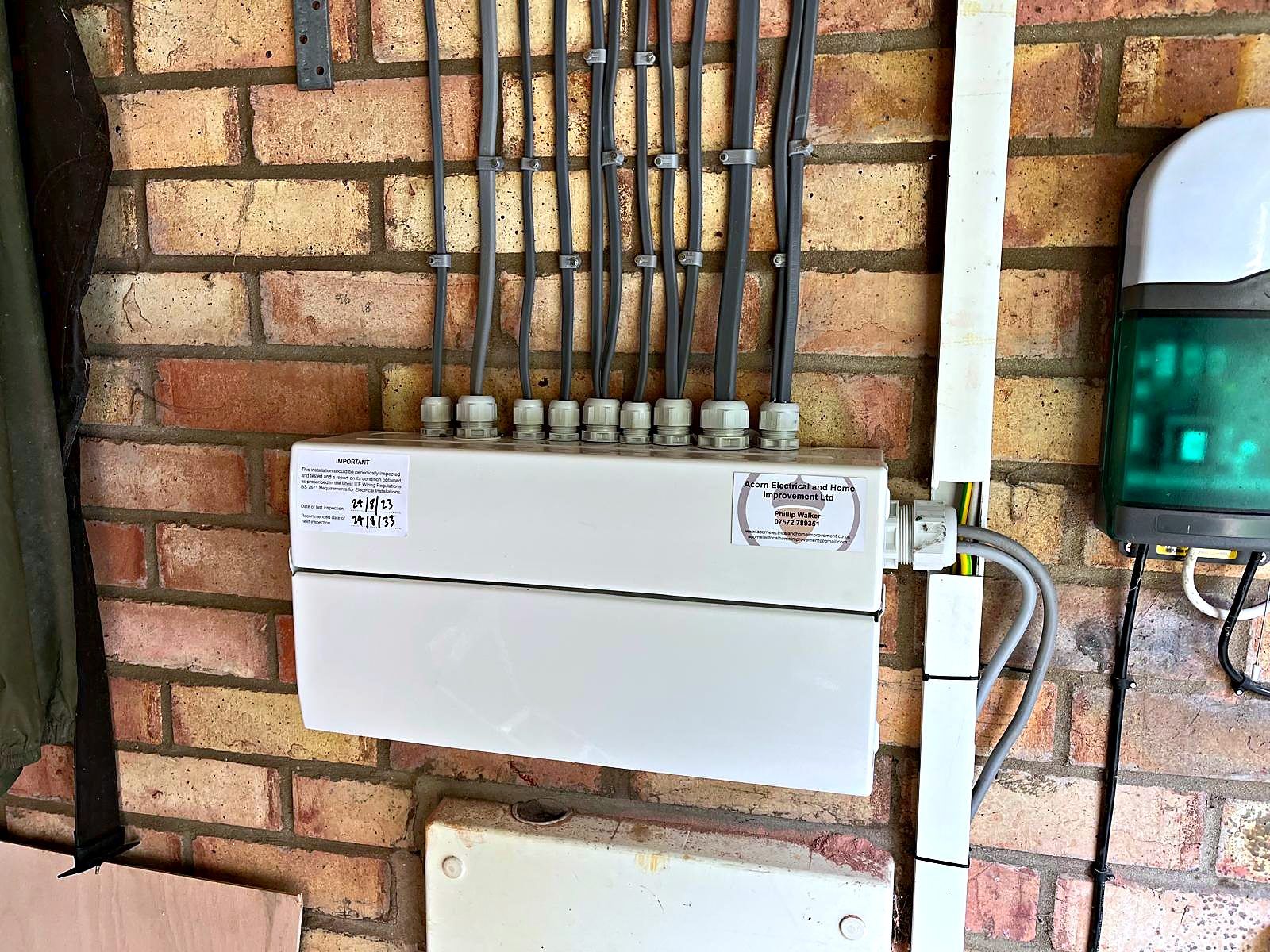
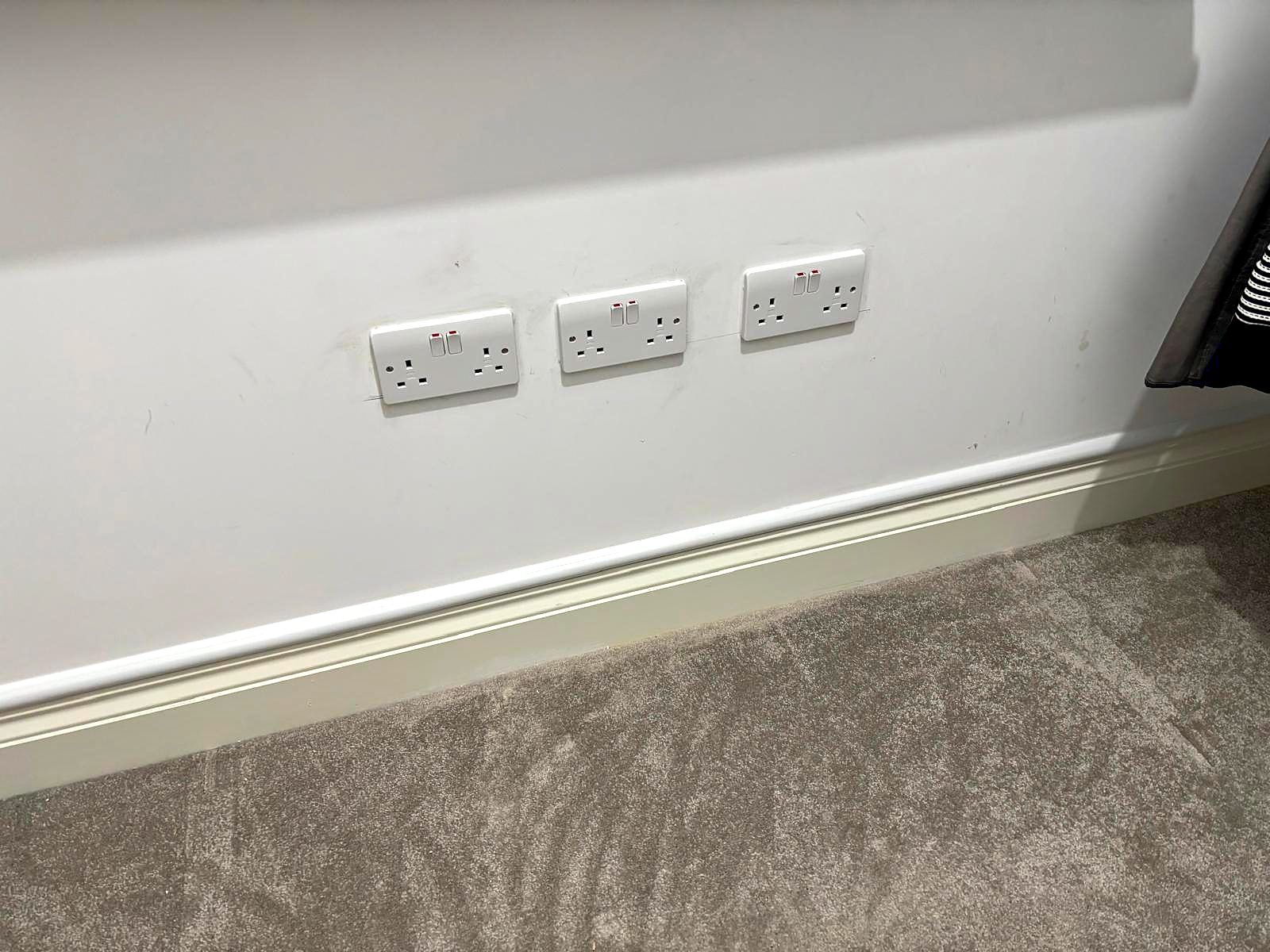
EICR stands for Electrical Installation Condition Report. A qualified electrician inspects and tests the fixed electrical installation: the consumer unit (fuse box), the circuits, the sockets, switches and light fittings, and the earthing and bonding that keep you safe if something goes wrong. The finished report records the condition of each part against the current wiring regulations, BS 7671, and gives an overall verdict of satisfactory or unsatisfactory.
People often call it an EICR certificate or an electrical safety certificate. Strictly it's a report rather than a certificate, because it describes the condition of an existing installation instead of certifying new work. The name matters less than what's in it.
An EICR doesn't cover portable appliances such as kettles, lamps or washing machines. Those are checked separately with a PAT test.
What happens during the inspection
Most of the time goes into two stages.
- Visual inspection: the consumer unit, sockets, switches, fittings and visible cabling are checked for damage, overheating, wear and anything that doesn't meet current standards.
- Testing: with the power off, each circuit is tested for continuity, insulation resistance and correct polarity. With the power on, the electrician measures earth fault loop impedance and checks that RCDs switch off quickly enough to protect you.
Not every socket and light is opened up. A sample is inspected in detail, and the extent of the inspection and any limitations, such as a locked room or a fitted unit that couldn't be moved, are agreed and written into the report. A typical three-bedroom house takes several hours, and the power will be off at points during the day. Our EICR service page has more on booking one in Norwich and Norfolk.
Reading the codes on an EICR
Anything that falls short of the current regulations is listed as an observation with a code. The code tells you how serious it is.
- C1 (danger present): there's an immediate risk of injury. The electrician should make it safe before leaving, often by isolating the circuit.
- C2 (potentially dangerous): not dangerous right now, but it could become so if a fault develops. It needs urgent remedial work.
- FI (further investigation required): something needs looking into without delay before it can be properly coded.
- C3 (improvement recommended): it doesn't meet the current edition of the regulations but isn't unsafe. You're not obliged to act on it.
Any C1, C2 or FI makes the overall result unsatisfactory. A report with only C3 observations can still be satisfactory. Older installations often pick up C3s simply because the rules have moved on since they were wired. That isn't the same as being unsafe.
An unsatisfactory report isn't a verdict on the whole house. It's a list of specific things to put right, and many of them are small, quick jobs.
EIC, EICR and Minor Works: which is which?
Three documents get mixed up all the time.
- EICR: a report on the condition of an existing installation.
- Electrical Installation Certificate (EIC): issued for new work, such as a new circuit, a consumer unit replacement or a full rewire. It certifies that the new work was designed, installed and tested to BS 7671.
- Minor Electrical Installation Works Certificate: issued for smaller changes that don't add a new circuit, such as an extra socket on an existing one.
If you've had a rewire or a new consumer unit fitted, you should hold an EIC for that work. An EICR comes later, when the installation is checked again.
Who needs an EICR, and how often?
In England, private landlords must have the electrical installation inspected and tested at least every five years under the Electrical Safety Standards in the Private Rented Sector (England) Regulations 2020. The rules applied to new tenancies from July 2020 and to existing tenancies from April 2021. Landlords must give tenants a copy of the report and carry out any remedial work it calls for.
Owner-occupiers aren't legally required to have one, but guidance recommends an inspection at least every ten years and whenever you buy a property. Our guide to how long an EICR lasts covers the dates, deadlines and renewal rules in more detail.
What happens if the report is unsatisfactory?
You'll get a list of the observations that need attention. The remedial work is quoted and carried out, and the electrician issues an EIC or Minor Works certificate for the repairs. Landlords have 28 days to complete the work, or less if the report gives a shorter period. They must then confirm in writing to the tenant and the local council that it's done.
Phillip carries out EICRs across Norwich and Norfolk and is Part P and 18th Edition qualified. If the report finds anything, we'll talk you through each observation and give you a written quote for the remedial work. Ask for a free quote to book an inspection.